Buying and Choosing Fruit for Your Kids

Fruits

Fruits

We all know that fruit is the best thing to give our kids. Luckily my three kids love the stuff, although they have varying tastes (my girl loves pineapple, the boys don’t!). Bananas, apples and oranges are the most popular, and so are mangoes. Just yesterday, even baby Wills joined in by wolfing down half a mango in record time.

I’m not really a fan of frozen or canned fruit, but I do buy those mandarin oranges in plastic containers as my son likes to take it to school. Fresh is the best way to go I say, and organic if you can. If you can’t, make sure to wash the fruit with a natural “fruit and veggie” wash and peel it well.

I have to admit though that if I have to buy fruit at the supermarket, I sometimes have difficulty discerning which fruit is good, which isn’t. Isn’t it annoying when you buy a melon that looks perfectly decent, you open it up and it turns out to be tasteless or worse, sour?

Here’s some good advice I found:

Apples: Look for firmness. Brown or tan “scald” marks don’t affect taste, but soft bruises that are discolored indicate damage.

• Avocados: Available year-round, as they are grown in Florida and California. Choose slightly soft fruit, or if bought unripe, allow three to five days at room temperature to ripen. Refrigeration slows ripening.

• Bananas: Best eaten when yellow with brown speckles. Bananas get damaged below 55 degrees Fahrenheit, so never refrigerate.

• Blueberries: In season from May to September. Look for uniform color and plumpness; avoid oozing berries.

• Grapefruit: This fruit is sold ready-to-eat; avoid fruit that is too soft (a sign of decay). Scratches and spots on the peel don’t usually indicate that anything’s wrong.

• Grapes: Select those with green, pliable stems that the grapes don’t fall off of easily — a sign that the grapes themselves are fresh.

• Kiwi: It’s ripe when it yields to the touch but doesn’t leave indentations.

• Melons: A stem that’s still attached may indicate the fruit isn’t ripe. With cantaloupe, avoid those with an overly yellow color and a soft skin, which indicates overripeness. Sniff for a sweet, pleasing smell. Most cantaloupes require two to four days to ripen at room temperature at home.

• Oranges: Should be heavy, indicating juiciness. Brown mottles on Florida or Texas oranges are common and don’t affect flavor.

• Peaches: In season from May to September. Very hard peaches are unlikely to ripen. Choose freestone varieties for eating.

• Pears: Should be firm but slightly soft. Their color depends on the type: Bartletts should be pale to rich yellow, while Boscs are brownish yellow. Shriveled pears will not ripen.

• Raspberries: Stains on the container may indicate mushy or moldy berries inside. Berries should not have their caps attached.

• Strawberries: In peak supply in May and June. Look for the cap stem still attached, and avoid fruit with white shoulders or large discolored patches.

Photo via plumandjello

Organizing Tips For the Disorganized: The Weekly Schedule

Organized Mom

Organized Mom

I have never been one of those people you’d call “super” organized. But after having my third child early this year, I’ve found that one of the best ways to keep my sanity, and for things to run (relatively) smoothly in my growing household is to try and be as organized as I possibly can. That’s always been a rather daunting word in my vocabulary as no matter how hard I try, there is always some amount of chaos in my home.

But with the “busiest” time of the year upon us, and indeed, a New Year a mere month or so away, its a good time to start, and for somewhat disorganized Moms like myself, the first thing I would do is to create a Weekly Schedule and Menu. I promise, its worked wonders for me! Here’s how:

Tip 1 For the Disorganized: The Weekly Schedule

1. Every Sunday, I set aside about half an hour to make our weekly schedule and menu. I take a cookbook or two and sit with my laptop for about half an hour at a time when the kids are busy (a dvd is a good idea) or better, napping.

2. For simplicity sake, I make a chart like above (sorry I haven’t been able to scan mine!) section off each day onto 3 sections. Morning, afternoon, evening. Each day having its own column.

3. First, I put in the family activities for the week. For example:

Monday- Morning -Oliver has no class/ Cat grooming at vet 11 a.m.
Afternoon – Boys playgroup @ home 3 pm./ Nat, gymnastics 4.30
Evening- Mark (hubby), meeting, home late

4. Then, with my cookbooks (or online), I look for meal ideas for the week and type them in the appropriate time. With the activities of the family already there, I know who’ll be around for what meal (and snacks), and best of all, I can make the weekly grocery list, knowing exactly what I need, which helps keep me in budget. I also look at previous weeks menus (kept neatly in my desktop file), to see what worked well and what didn’t.

5. Edit, print and stick it on the fridge. And voila! The family is set for a week of organized bliss.

Photo via Lullaby Mom

6 Tips For Successful Shopping with the Kids

Shopping with Kid

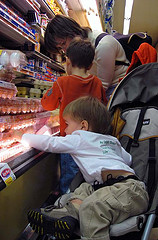
It’s sale season! My favorite time of the year to hit the stores and stock up with some great buys for the whole family (especially Mom!).

Now I’m the first to admit that children and shopping work together about as well as oil and water, but if the circumstances dictate that you must take them to that unmissable-department-store-sale to get that pair of jeans you’ve been lusting for (now half price!), there are some things you can do to avoid meltdown and hopefully snag a few good purchases as well.

More »

Saving Money At The Supermarket

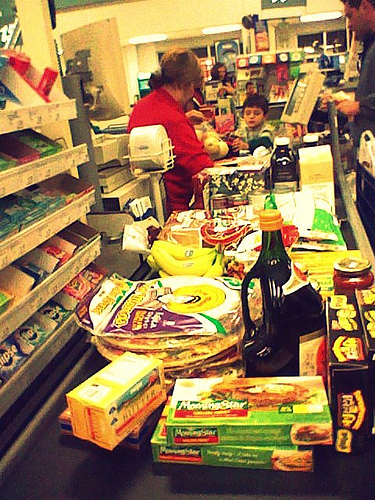
SupermarketI hate to admit it, but I have never been one of those Moms who were adept at budgeting. I have 3 kids, a husband who works from home (and eats all meals at home too), 4 dogs, 3 cats and 2 turtles to feed, plus I host twice weekly playgroups (picture 5 or more hungry kids!), so you can understand that a huge chunk of our monthly expenditures goes on groceries. Don’t get me wrong. I’m a pretty conscientious shopper. I read labels, check prices and compare for the best value, but yes, I do buy some weekly treats for us all – like special organic snacks for the kids, fancy European soda for hubby and that new body lotion for me, but I do keep it to a minimum.

Well, when I saw this article on “The Challenge: Feed a Family on $100 a Week”, I was intrigued, and slightly nauseated that she actually pulled it off while I spend at least three times that (hey, she only had two kids- one of which was a 5-month old, who we know wont be saying “I’m hungry, Mom!!” all the time).

With the state of the world these days, I thought it was time I did try a little (okay, a lot) harder to cut down my hefty grocery bill and hopefully save some money. That, coupled with the fact that I have recently become a huge fan of Suze Orman and am now reading her book, Women and Money, which I find amazingly liberating (but that’s for a another post).

While I’m no budgeting guru, I’ve found a few, like frugal Mom Michelle Jones, who has been doing it successfully for 20 years, “with or without coupons”. I’m more inclined, though, to start off with some of these solid, basic tips from The Consumerist:

1. Make a list and stick to it. Lists focus your shopping and are the single best way to save money.

2. Compare unit pricing, not box size. As with good things, good prices sometimes come in small packages.

3. If you only need a handful of items, use a basket, not a cart. Empty space cries to be filled.

4. If it’s not on your list, don’t pick it up. According to Paco Underhill in Why We Buy: “Virtually all unplanned purchases…come as a result of the shopper seeing, touching, smelling, or tasting something that promises pleasure, if not total fulfillment.”

5. Shop at the edge of the store. That’s where the healthier, cheaper items hide.

6. Disavow brand loyalty and swear allegiance to the lowest price.

7. Consider generics. You usually get the same quality, without the unnecessary branding.

8. Learn to love coupons. With practice, you can buy almost $150 worth of stuff for $5.

9. Make one big shop, rather than several small ones. You’ll save on gas while inoculating against wasteful spending.

10. Buy from bulk bins. Why pay for packaging and marketing when you can reach right in and scoop out exactly what you need?

11. Check your receipt. Don’t let an errant scan ruin your hard work.

12. Shop alone. Science shows that we spend more when we’re with company.

13. Track your spending so you can see what’s eating your money. Committed receipt hawks can spot price cycles to help guide their shopping.

14. Eat a meal before shopping. Shopping on a full stomach tamps down impulse spending and keeps you focused on your list.

15. Shop without a car. Nothing limits spending like knowing you’ll have to carry your goods home.

Photo via Lab2112

The Size Difference

Large doll houses have entirely changed the playing landscape of children. No longer limited by the confines of the truly miniaturized versions of houses, the larger versions ensure more playing opportunities with playmates. The bigger size not only makes it possible to have more features that can hold a child’s attention, it also allows playmates to play simultaneously in different areas of the doll house.

Opting for large doll houses necessitate minor assembly work as it is not practical for manufacturers to have them packed fully assembled because of their size. The expected joy derived from having an excellent doll house choice more than makes up for the little extra work. The size also permits the inclusion of more furniture and accessories which are of course, such a delight to young children.

Large doll houses also offer more flexibility in personalizing doll houses while providing more opportunities to highlight a child’s creativity. The small hands of children may not yet be up to the care required by smaller versions of doll houses. The semblance of realism in a child’s point of view is much better achieved in the doll house’s advantageous size.

The size of large doll houses likewise allow for more extra details such as turrets, balconies, surprise rooms, and drawbridges. It also facilitates a wider range of interactive activity such as rearranging rooms and furniture to produce an entirely new look for the house. They are also much sturdier and can handle maximized play of children. Many models are provided in fun designs and colors to make imaginative play more exciting. A custom-made doll house can be as large as a young girl wants it to be.

The Best Toys for a Toddler – Part 1

Chances are your toddler is really taking off these days – and as you chase his little body down the street, you may miss the days before he learned to use her legs so well. “Active” is an apt way to describe him now, and him likes any toy or game that allows him to throw his whole self into it – balls, swings, and tiny climbing sets, to name a few.

His hands are becoming more coordinated, too, and he can now use toy sorters more efficiently, build even greater block towers, and scribble a drawing. His play involves lots of experimentation, like “What happens if I drop this ball?” or “What happens if pull this lever?” He’s very interested in the consequences of her actions, and because his memory isn’t well developed she won’t tire of repetition. Toddlers also like to try out what they see adults doing, so look for toys that imitate daily life.

Large Building Bricks: These light cardboard bricks are big enough to stack up into a fort or wall, or any other way your toddler wants. But the most satisfying part of the process continues to be the finale – when the walls come tumbling down.

Push and Pull Toys
: Heavily weighted push toys can give your beginner something to lean into as she motors around your home. Wagons can be ideal. Pull toys are for slightly advanced walkers who can look behind them as they move forward. Give them something to look at: Pull toys that flap, bobble, squeak, or in any other way make a scene are favorites.

5 Easy Ways To Get Your Kids To Eat Healthier

Grocery Shopping

The new school year is upon us, and it’s every parent’s mealtime (and lunchbox) crusade – getting your kids to eat healthier. Well, its mine at least. Easy(ish) when they’re young and they pretty much eat anything you put in front of them. Not so easy when school starts and they discover a whole new world – like their classmate’s lunch boxes filled with no-no’s like soda and Doritos.

When my 3 kids were babies I started them all of with what I think is the Bible of healthy-baby-eating, The Super Baby Food Book. Well, I admit that it got to a lesser degree with #2, but with #3 came the the advent of commercial organic baby food, which made things a lot easier. Whether you are a DIY Mom like Ruth of the Super Baby Book (who also makes her own Play Dough, mind you), or prefer to buy from the organic aisle at the supermarket, know that giving your kids a healthy diet now means setting up their foundations for a healthy life. Now isn’t that a worthwhile mission?

Here are my tips on how to help you get started (and hopefully keep going!):

1. Teach Them About Health
My Mom did this for my sister and I (she was and still is what you would call a “health nut”), and I have to say that it stuck. Explain to your kids WHY certain foods are good or bad for you and you’ll be surprised how well they’ll respond. I try and use language they understand like: “…healthy food like fruit and vegetables helps you get bigger and stronger, but also makes your “soldiers” strong to fight bad germs so you don’t get sick“. There are a few kids shows now which touch on this, as well as books. Read/watch and talk about it with them and be prepared to answer their questions.

2. Vegetarian Meals= Budget meals
Yes, its true! Add a vegetarian meal or two to your weekly menu and see how much you can save. It’s a known fact that fresh produce is significantly cheaper than meats (which are some of the costliest food items in stores), so by serving say, a vegetarian lasagna rather than the “al forno” with beef, you not only give your kids a veggie-filled nutritious meal, you also save on the weekly budget (yipee!), plus it’s good for the planet. Why? read about vegatarianism and the environment here.

3. Make it Fun!
My kids and I like to play quick games like guessing which food is “healthy or not”. For example, what’s better? french fries or apple slices with cinnamon? (Okay, so my husband doesn’t join in and prefers to roll his eyes- but WE enjoy it!). The winner gets a small prize like stickers. You can also make healthy food attractive and fun by using a cookie cutter to make shapes and adding “faces” (raisins and sliced red pepper make easy instant characters). Brit Mom turned kid-food guru, Anabel Karmel is a total wiz at this and I love her cookbooks.

4. Go Organic
Finding organic food is really easy these days, and the health benefits are huge. Would you prefer to feed your kids things without harmful chemicals and pesticides? With more nutrients and vitamins? I would. It’s a really simple choice, and really worth the extra effort.

5. Plan Ahead and Cook More, Mom!
I really believe that planning ahead, being organized and cooking yourself is the key to healthier eating. Look online for new healthy recipes to try (you can get the kids to help choose here), add more fruit and veg to your meals, and take a few minutes every Sunday to plan healthy weekly menus- this really helps keep me in budget too!

Photo via Tanya Dawn

Toys From Childhood

I get newsletters from a lot of places, and admittedly I mostly just skim through them, only really clicking through if I find something especially interesting – like the other day! In my Fisher Price newsletter was a link to their 50th Anniversary toys, toys from my childhood.

If you grew up with Fisher Price toys like I did, I urge you to visit this page, I honestly got incredibly excited remembering the beloved toys my sister and I once played with for many happy hours. One thing I wasn’t aware of was how the “Little People” toys of today evolved from the ones we played with in the 70′s. My kids have the Christmas sets, which they love playing with, but the characters just don’t have the same appeal. They look too much like cartoons in my opinion (which I admit is completely biased!).

The first “house” I had was this yellow house you see above. I still have it in storage in my Mom’s house but sadly it’s pretty war torn with the pieces all disappeared – boo hoo. Fisher Price now has a “50th Birthday” version, which is just a few “retro” figures in a tin which vaguely looks like the original. A poor substitute, I think! They could have at least made replicas of the original people.

Other favourites which tug at my childhood heartstrings are the Sesame Street “street”, pictured at the top of the post and the airport just above. I could go on, and go the extra mile by actually purchasing these toys on Ebay (tempting, if it weren’t for the exorbitant prices), but for now I’ll just have to be content to look wistfully at these online photos.
For more memory tripping, check out this 1977 Fisher Price catalog, which I think is meant to be a bit of a joke, but for a seventies kid like me, is another lovely walk done memory lane.

Disney – Fantasies Galore

disney1All kids love Disney whom we have all been witness to has grown from one theme park to a huge corporation that all kids see as the place where dreams are made of. Another fact about Disney, we as parents know that stuff we see, hear and read about that comes form them are wholesome and educational for all ages(even you parents).
We might have outgrown our love for Mickey Mouse and Donald Duck but they are part of kid’s fantasies and pop culture that they are forever part of history as some of the most recognizable cartoon characters of all time. Thinking of a gift for your child? Why not consider getting some of the best Disney tshirts around to suit their choice of favorite characters from the cartoon classics as Snow White to Wall-E the robot who has caused many a tear with his unexplainable emotion hard to imagine from a robot who falls in love.

Night Terrors and Monster Go Away Spray!

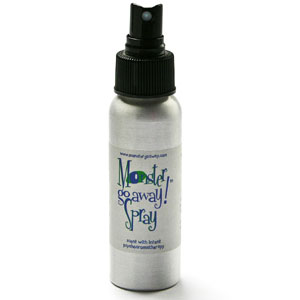
msl-monstergoawayAt least one or twice a week, my husband and I hear little footsteps in the dead of night, traversing from across the hall and into our bedroom, with “Mommy, I had a bad dream”. Usually, we are both too exhausted to take them back, so we end up with one (sometimes two) little bodies squeezed in between us. And putting them to bed is even more of an issue, with claims of “Mommy I’m scared”, “Mom I don’t want to be alone” (even if they aren’t alone, “Mommy I have bad dreams” etc etc., making the bedtime ritual stretch out even longer until bone tired Mom is about to pass out on the bunk with them.

So when I saw this product on My Daily Om, I thought, What a clever idea, I wish I thought of it!….followed by… I have to get one!. Formulated by a Mom, this fabulous spray gets rid of those bedtime monsters both physically and psychologically. Physically, because it uses essential oils and works it’s magic through aromatherapy, and psychologically, well, you know. We Moms are all amateur doctors, right?

More »


Sponsors


Submit Blog


Our Stats

EatonWeb Portal

Performancing Metrics


Splashpress Media