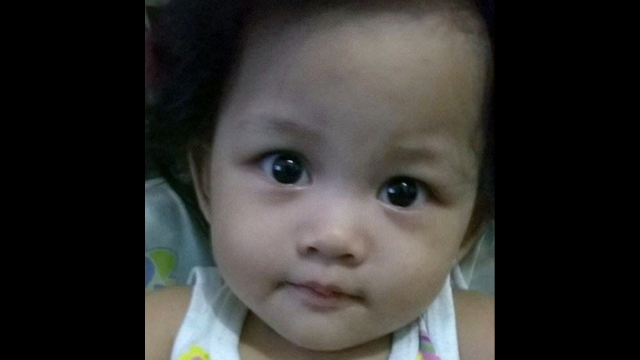
Best Toys for Babies

For mental growth and development of your babies, giving them toys is a great idea. It helps sharpens their minds at the same time giving them so much enjoyment. However, as parents you need to very careful about the toys you give your babies, make sure that they are safe to play with and your babies like them. Babies are attracted to bright colors and to different sounds. There are some educational toys for babies that can make different sound of the alphabet. These toys will surely help them get ready to talk.

Bright colors like red, blue, yellow and green attracts most babies. You might want to buy some that comes in different shapes of even large puzzle pieces to incorporate cognitive development at an early age. But your baby might just probably throw them away or bite on them. This is fine babies love to bite especially when teething. So you have to be very picky when it comes to the texture of the toys, they should never come with small parts or a string. These are hazardous especially to babies, since they love biting on the toys, they might choke accidentally on those tiny parts.

Building blocks are great toys for babies especially those that come in varying bright colors. This will help them develop the hand and eye coordination. You may want to teach them how to build blocks at first and then gradually introduce how to make big blocks out of them. These safe and developmental baby toys are great your child.

Buying and Choosing Fruit for Your Kids

Fruits

Fruits

We all know that fruit is the best thing to give our kids. Luckily my three kids love the stuff, although they have varying tastes (my girl loves pineapple, the boys don’t!). Bananas, apples and oranges are the most popular, and so are mangoes. Just yesterday, even baby Wills joined in by wolfing down half a mango in record time.

I’m not really a fan of frozen or canned fruit, but I do buy those mandarin oranges in plastic containers as my son likes to take it to school. Fresh is the best way to go I say, and organic if you can. If you can’t, make sure to wash the fruit with a natural “fruit and veggie” wash and peel it well.

I have to admit though that if I have to buy fruit at the supermarket, I sometimes have difficulty discerning which fruit is good, which isn’t. Isn’t it annoying when you buy a melon that looks perfectly decent, you open it up and it turns out to be tasteless or worse, sour?

Here’s some good advice I found:

Apples: Look for firmness. Brown or tan “scald” marks don’t affect taste, but soft bruises that are discolored indicate damage.

• Avocados: Available year-round, as they are grown in Florida and California. Choose slightly soft fruit, or if bought unripe, allow three to five days at room temperature to ripen. Refrigeration slows ripening.

• Bananas: Best eaten when yellow with brown speckles. Bananas get damaged below 55 degrees Fahrenheit, so never refrigerate.

• Blueberries: In season from May to September. Look for uniform color and plumpness; avoid oozing berries.

• Grapefruit: This fruit is sold ready-to-eat; avoid fruit that is too soft (a sign of decay). Scratches and spots on the peel don’t usually indicate that anything’s wrong.

• Grapes: Select those with green, pliable stems that the grapes don’t fall off of easily — a sign that the grapes themselves are fresh.

• Kiwi: It’s ripe when it yields to the touch but doesn’t leave indentations.

• Melons: A stem that’s still attached may indicate the fruit isn’t ripe. With cantaloupe, avoid those with an overly yellow color and a soft skin, which indicates overripeness. Sniff for a sweet, pleasing smell. Most cantaloupes require two to four days to ripen at room temperature at home.

• Oranges: Should be heavy, indicating juiciness. Brown mottles on Florida or Texas oranges are common and don’t affect flavor.

• Peaches: In season from May to September. Very hard peaches are unlikely to ripen. Choose freestone varieties for eating.

• Pears: Should be firm but slightly soft. Their color depends on the type: Bartletts should be pale to rich yellow, while Boscs are brownish yellow. Shriveled pears will not ripen.

• Raspberries: Stains on the container may indicate mushy or moldy berries inside. Berries should not have their caps attached.

• Strawberries: In peak supply in May and June. Look for the cap stem still attached, and avoid fruit with white shoulders or large discolored patches.

Photo via plumandjello

Listing The Do’s and Dont’s of Childhood

dos-and-dontsSome times our kid’s need a little helping hand in remembering what we ask them to do. If you are a parent of a child who is old enough to start helping out around the house…You will know what I mean.

Some children just do not comprehend and know how to complete tasks from start to finish. So they ask mom or dad over and over how to do whatever it is they are attempting to do.

I thought I would take a moment and list a few things that might be great to put on a child’s list of To Do’s and To Not Do’s. Making a list and posting it in words your child can read will not only help you save all the questions. It will also help you to encourage your child to read.

Toddlers Ages 3 to 5

1. Pick up your toys.
2. Put your toys where they belong.
3. Put your dirty clothes in the hamper.
4. When you are done playing put your things
away.

Kindergartners Ages 5 to 6

1. Pick up your things in your room.
2. Put everything where it should go.
3. Put your dirty clothes in the hamper.
4. Set out your clothes for the next morning.
5. Try and make your bed.
6. Help set the table.

Children Ages 6 to 10

1. Clean your room.
2. Make your bed.
3. Put toys away and other play items.
4. Put dirty clothes in the hamper
5. Help fold and put clean clothes away.
6. Help set the table.
7. Learn to pick up around the front room.
8. Learn to vacuum.
9. Learn to dust and clean surfaces in bathroom.

Children Ages 10 to 12

1. Clean your room.
2. Make your bed.
3. Put belongings away after play or use.
4. Put dirty clothes in hamper.
5. Help fold and put clean clothes away.
6. Set the table and wash dishes.
7. Learn to clean and vacuum front room.
8. Clean the bathroom.
9. Take care of personal belongings.
10. Put your bike away or any outside items.
11. Feed and take care of a pet.
12. Take out the trash.
13. Help around the house.
14. Be willing to learn new things.

Teenagers 13 and up

1. Do all of the above listed things.
2. Help mow the lawn and pick up around the yard.
3. Do extra chores for added allowances.
4. Baby sit as you grow more responsible.
5. Clean the house.
6. Learn to cook a little.
7. Learn to do laundry.
8. Learn the value of money.
9. Do some volunteer work.

Now Don’ts For All Ages.

1. Do not break house rules.
2. Do not talk to strangers.
3. Do not go any place alone or without
your parents permission.
4. Do not disrespect other people.
5. Do not talk back to teachers, parents or
people with authority.
6. Do not leave your bike or belongings in
places they do not belong.
7. Do not go places by your self.
8. Do not leave your mess for others to clean up.
9. Do not hit, kick or bite.
10. Follow all of your parents DO NOT Rules.

I am sure you get the basic idea of what you want your child to do and to not do. Just make up a list and post it on the door. You may want to add a how to clean your room list. It is always helpful to use simple words that the kids understand and can relate too. You may want to show them where the dirty clothes go.

Just a few ideas to help make life a little easier and more pleasant on the home front.

Photo via Chromatic

Top 5 Parenting Issues And My Take On Them


We don’t call being a parent the toughest job on earth for nothing, do we? Any parent knows that this job can very well take all that you’ve got to give – and then some. New parents will also learn – very quickly, I must add – that they will be judged no matter what they do. From feeding habits to toys to education – these issues will always be raised, and controversy is not far behind. Here are some of the top parenting issues today (at least based on my experience) and what I think of them. Don’t hesitate to join in the conversation and let me know what you think!

#1: Spanking
I’ve already written a post on this, and I know just how divided parents are over the issue. Some experts say that spanking can cause children to become more aggressive as adults, while others think that disciplining them in this manner can make them understand the principle of consequences. I lean towards the latter, as long as it is clear that the emphasis is on discipline and not punishment. I know a LOT of people who were spanked as kids and turned out pretty well as adults. ;)

#2: Co-sleeping
Ahh, children need their own beds and their own bedrooms, right? Proponents of co-sleeping highlight the fact that children do need a psychological blanket, and parents serve as that. However, co-sleeping presents various problems: risk of asphyxiation for young kids, too much dependency, etc. I think that co-sleeping is fine from time to time, but it must not become a habit. You would want your kids to grow up learning how to sleep alone, wouldn’t you?

#3: Medication for behavioral problems
These days, a lot of children seem to be diagnosed for ADD and other similar problems. There are doctors who will not hesitate to prescribe medication to treat certain conditions. Should you immediately take their advice? I am a staunch believer in the power of medicine, but I would hesitate if my child were to be prescribed medication for behavioral problems. I’ll get a second, even a third, opinion; and then look for treatment options that do not involve medication.

#4: Breast feeding
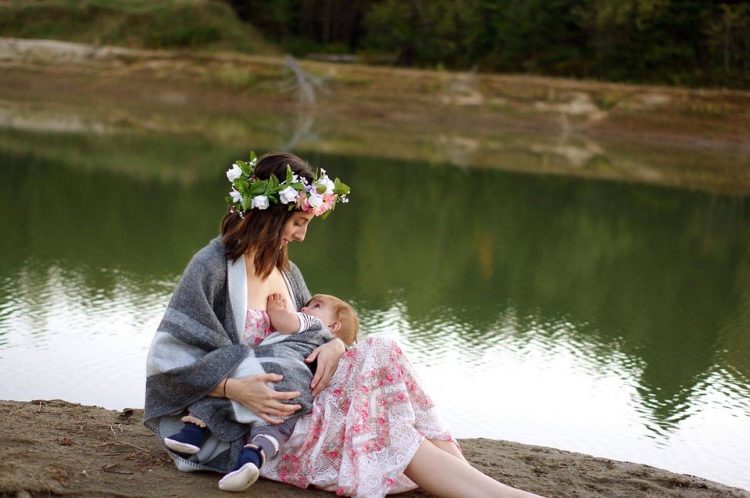
The general consensus is the breast feeding is still best for babies (and mommies). Medically speaking, there is no point for debate. However, breast feeding simply doesn’t work for some women. My take is that we should breast feed when we can, and if it doesn’t work, then use formula. Simple.

#5: Underage drinking
My stand on this is very clear: no alcohol till you’re of age. Some parents bank on the premise that the kids are going to do it outside of the house anyway, so might as well allow them to do it at home. At least they can keep an eye on the kids, right? I don’t buy that, do you?

So, let’s get the ball rolling. What are your thoughts on these issues?

Are Slings Dangerous?


Every year, some pieces of news breaks out – the kind that tends to change the way we look at things. In the realm of parenting, the latest controversy is lambasting the tried and tested baby sling. I don’t know about you, but this contraption has been so useful to me and countless other parents I know. In spite of the fact that so many people have been using the baby sling for as long as anyone can remember, new “developments” have arisen that question its safety and efficacy.

The Health News Digest tells us more:

It seems the CPSC was alerted by Consumer Reports, an independent, nonprofit agency that tests and rates the quality of a wide range of products. Consumer Reports raised valid concerns when they reported thirty-seven infants who were seriously injured in the past eleven years from falling out of slings and seven deaths from suffocation. They specifically cited the Infantino “SlingRider” and the “Wendy Bellissimo” carriers as a major culprit in the suffocation deaths of two infants (largely due to its pouch-like design) and asked the CPSC to issue a recall noting that it had previously been recalled in 2007 for the breaking of shoulder strap adjusters. Such a recall was not included in their March 12th statement; however Consumer Reports insists that “Because of those incidents, and the lack of safety standards, infant slings are on our list of products not to buy for your baby.”1 They do so without considering product design or track record and without assessing the relative risks (in other words comparing the percentage of babies worn in slings to the considerably small percentage of deaths.)

(For your information, CPSC stands for the Consumer Product Safety Commission.)

So anyway, why the sudden attention on baby slings? I just don’t get it! Think about the countless issues regarding car seats, cribs, play pens, and similar other contraptions used regularly for babies. They have been under scrutiny for a long time, and yet they have not really been banned. Why? Because they are necessary and steps have been taken to ensure that children will be safe.

When it comes to baby slings, I think the same approach should be taken. My children have outgrown the sling, and they are just fine. I am sure that many other mothers will agree with me on this. What do you think? Are baby slings safe enough or should they be banned?

Help Your Baby Sleep At Night

A friend of mine, who is a relatively new mom, was telling me about her 5-month old baby the other day. Naturally, she had all those delightful tales about how adorable her baby is, but she also had the not-so-pleasant stories. One of those was the fact that her baby does not really sleep well at night, especially if she does not sleep beside him. As many more seasoned moms would know, babies generally are ready to sleep for about 4 or 5 hours straight at night when they reach 4 months or so. The trick is in helping or teaching the baby to do it on his/her own. This is what I shared with my friend.

Establish a routine and make sure you follow it. Man is a creature of habit, and babies are no different! At this point, you have to help your baby get used to certain “rituals” at night that will make it easier for him to fall asleep. The tried and tested trick for me is to get the atmosphere right about 20 to 30 minutes before bedtime. Give baby a soothing bath. Turn the lights down (or off, if that works for the baby). Play soft music. Tell a story. Make soothing sounds. These things combined send a signal that it is time for beddybye land. The story telling and soothing sounds really help – your baby relishes the sound of your voice more than you would know. Of course, in the beginning, your baby will still make a fuss and not fall asleep easily. After a week or so of constant practice, though, things should settle down.

Avoid coddling the baby. This is something that is quite hard for some parents to do, especially those who are first-timers. The moment the baby makes a sound, you might be tempted to pick him up immediately. I have learned to do otherwise. Instead of immediately reassuring the baby, wait and see first. For some infants, this kind of response will actually make them stop crying on their own. If this is the case for your baby, then it is a good sign that you can actually “ignore” his cries every now and then, especially if it is time for bed. He may only be seeking for attention and some coddling, which can be ignored when trying to teach him to fall asleep on his own. Of course, you have to observe how this kind of reaction affects your baby.

Expert moms, how did you teach your baby to fall asleep alone?

My Top Packing Lists For Kid Travel: Baby & Toddlers

Carry on

Since I have three kids below 8, and given that my husband and actually enjoy taking them traveling (yes, we’re crazy), packing is something I take very seriously. Of course, unless you are Bree or Martha, you are bound to forget some things, so the best advice I can give you is START EARLY, keep the list handy in a place at home where you can tick through it as you go along.

Packing For Babies and Toddlers

Hand Carry - I suggest you purchase a bag that is the right size for you to carry, and not too bulky that it won’t be allowed in an airplane or will give you a backache for the rest of your trip. Pockets and compartments are all good, and even better if there’s is an insulated bit. Backpacks are a good choice!

The Top 14 Essentials For The Carry-On Bag

1. Snacks – “o” shaped cereal, biscuits/cracker (I like organic/low sugar kinds), cheese, fruit pieces, small cartons of juice (not for airplanes).
2. Change of clothes and a cardigan or jacket – 2 outfits
3. Disposable diapers – 3
4. Baby wipes
5. Burp cloth – handy for mopping up any mess on baby
6. Sun hat for hot weather or bonnet/cap for cold
7. Blanket – handy for naps or to lay on a floor to crawl/sit on or as a cover-up for breastfeeding.
9. Formula in container and pre-boiled water in a bottle.
10. Water in a sippy cup or bottle
11. 2 small toys/books/ teether.
12. Band-aids and antiseptic wipes/cream
13. 2 Pacifiers
14. 2 Bibs
15. Baby fork and spoon
16. 2/3 Plastic bags – to dispose diapers, for dirty clothes.

* Don’t forget any medications if your child is taking them and always keep it in the carry-on bag! Ditto with anything else your child can’t do without, like a favourite stuffed toy or “lovie”. Heaven forbid your luggage gets lost and poor teddy is never seen again!

* If going on a long haul flight/train journey, pack enough diapers and an extra outfit for an overnight stay, just in case. Most airports have drugstore/pharmacies now, but it’s still better to have your own stash of necessities.

In The Suitcase

*Some of these things depend on the age of your baby.

1. 2 outfits for every day of the trip
2. 2 pairs of shoes, 4 pairs of socks
3. Bibs
4. Summer essentials: sun hat, sunblock, swim suit or trunks, swim diapers, mosquito repellent
Or Winter essentials: warm clothes, mittens, boots, etc.
5. Toys and books (only bring favorites, new ones can be bought at destination)
6. Toiletries: Dove soap (I use it on both baby’s hair and body), baby powder, baby toothbrush, hairbrush or comb
7. Medicine Kit: antibacterial cream for wounds, small rubbing alcohol, band-aids, thermometer, nasal drops, water replacement powder, antihistamine, paracetamol, Lacticare , Cetaphil cream
8. Diapers – 3 diapers per day, plus 3
9. Formula (I buy enough for the trip, just in case I can’t get the brand we use)
10. Baby food/ snacks – I always bring a small supply of food I know he likes, just in case. Baby jars, instant oatmeal, organic macaroni cheese etc.
11. Baby monitor and universal adaptor – it can be cumbersome to pack, but I’m always glad I did.
12. DVDs – Just a few of your baby’s faves as most places have DVD machines now, even computers. Alternatively, an iPod loaded with the vids works too.
13. Ziplock/ plastic bags

*Stroller – An absolute essential! If travelling by air, don’t check it in, take it all the way to the gate. It’s also handy for hanging duty free shopping and the hand-carry bag!

*Website tip: This site does customized packing lists. Good for grownups.

Photo via _Fidelio_

Toddlers and Pneumonia

Kid pneumonia

“He has PNEUMONIA”. It’s a very very scary thing to hear from your pediatrician, and it is just what she told me last Friday when I took baby Wills for a check-up. The thing with being a mother-of-three is that you fancy yourself a pro, even when it comes to health matters. So when little Wills started coughing on Monday and developed a fever which continued throughout the week, I didn’t even call or text Dr. J. Yes, I gave the normal meds and used the puffer for the cough, but only when his fever still spiked after the 72 hour grace period, did I rush him to get checked.

Luckily, she’s also a pediatric pulmonary specialist, and when she listened to his chest, she immediately said Momma! it’s not good. I put on her stethoscope and heard some crackling noises, which apparently meant that the infection had gone to his lungs, which meant pneumonia.

Pneumonia is a frightening word to us parents, but it simply means an inflammation in the lungs and can be treated easily, at home. While it certainly isn’t a disease to take lightly, babies, toddlers and the elderly are the most susceptible to the disease, and it is particularly bad in developing countries where antibiotics and treatments aren’t readily available.

How did he get such a nasty bug? Who knows? Nat probably brought it back from big school and did have a mild cough for a few days. But what was important was that Dr.J said that it wasn’t too bad a case (no need for an x-ray or worse, confinement at the hospital), and she was sure he’s be fine in a week if he started taking antibiotics today.

Now, just three days since taking his first dose of clarithromycin, he’s almost back to his useful sunny self. The bad news? I think Mom’s caught it.

Photo via cproppe

Kids and Earth Day

Happy Earth Day 2009! One of the best things you can do to Save the Earth is to educate your kids about the environment and sustainability – making it a fun process that they can carry through for the rest of their lives.

Luckily, most “big” schools now teach kids about the environment, about recycling and even organic farming, so helping kids in grade school or older is easier than ever before. My daughter’s 1st grade class, for instance, visited an organic farm for their field trip last year and they saw how lettuce was looked after and harvested naturally. She knows not to leave the tap running when she brushes her teeth or washes her hands (I hear her scold her little brother that he’s “wasting!” water), turns off lights when nobody is using them, and talks to me excitedly about what it means to recycle.

For preschoolers, it’s a little more challenging. I have been trying to teach my 4-year-old some of the basic principles I taught my daughter, but I just get a sort of “bored” look most of the time. So my project, beginning this Earth Day, is to get my son more involved with some hands-on work. I found some great ideas online, like on iVillage, for instance, they have a useful article about how you can “Go Green at Any Age”. For preschoolers, they suggest things like this:

Teach your preschooler how to help pick out ripe seasonal fruit and vegetables for their snacks and meals. Show them that when they have finished their fruit and vegetables, there are parts that can be composted. Involve your children in composting your food scraps, coffee grounds, etc. Get them used to seeing that food waste is not garbage but rather something that can be turned into soil to grow more food.

Another site I like is Funschool, which has a lot of fun games and activities I know will appeal to my computer-loving little boy.

And lastly, for baby Wills, I’ll be dressing him in organic or sustainable clothing today (and as much as my bank account can afford!) but more often than not, I’ll be doing this: let him use his big sister and brother’s old clothes, shoes and toys. That’s recycling for you!

Photo via BecoThings

4 Fun and Easy Easter Activities For Kids

Easter Egg Hunt

Little Wills is now 14 months (where does time go?) and toddles about the house like the full-fledged toddler he is. With his cherubic golden curls, sunny personality (he screams with delight when he gets excited) and amusing “toughness” (if you take the object of his fascination away he gets angry!), he’s a joy to have around and wherever he goes people can’t help but smile.

It’s his 2nd Easter now, the last one he was a newborn and hardly noticed, but this year his eyes (and hands) are darting around the house, mostly at the Easter decorations that we just put up yesterday. As we are a family big on holidays (it makes life more enjoyable), we have 4 Fun Easter Activities lined up for some quality time with the children.

1. Bake an Easter Bunny Cake – This recipe from Betty Crocker is the cutest and will get the kids excited and hopping around like bunnies for sure. It uses a cake mix and ready-made-frosting so it suits Moms who don’t have the time. If I’m feeling energetic by Saturday, I’ll do it from scratch – time consuming, but a much healthier option!

More »


Sponsors


Submit Blog


Our Stats

EatonWeb Portal

Performancing Metrics


Splashpress Media